Your cart is currently empty!
You may check out all the available trips and book one that suits you.
Continue Browsing TripsWhere Time Is Measured in Craft
Artisans across Indochina preserve heritage through patience, devotion, and touch.

You may check out all the available trips and book one that suits you.
Continue Browsing TripsAcross Indochina, heritage is preserved not in museums but in the hands of artisans who carry forward the crafts of their ancestors. In quiet studios, family workshops, and riverside ateliers, traditions are sustained through patience, devotion, and pride. Guests are welcomed into these intimate spaces to witness living artistry — a rare glimpse of how culture is shaped and carried forward through masterful hands.
Heritage in this region is carried forward by artisans who devote their lives to ancestral craft. In family studios and village workshops, weavers, woodcarvers, lacquer masters, silversmiths, and storytellers preserve techniques passed down through generations. Guests step into these intimate spaces to witness living artistry — a personal window into the skills, symbols, and traditions that define the cultural identity of Indochina.
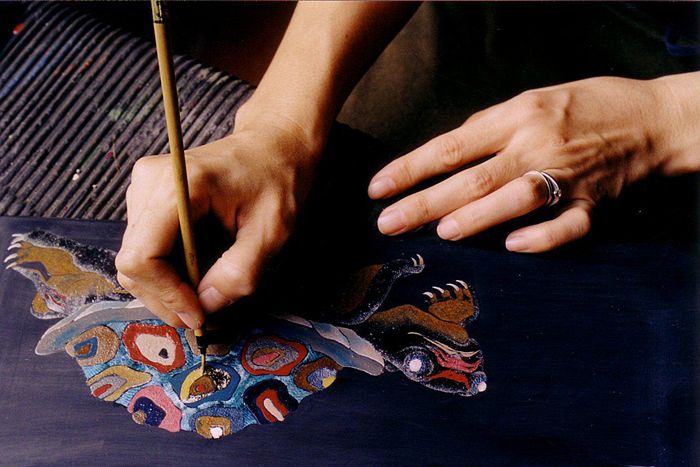
Inside a small atelier hidden in the Old Quarter, a master lacquer artist welcomes guests into the world of traditional Vietnamese lacquerwork. Layers of resin, eggshell, and gold leaf reveal a craft that requires patience, precision, and devotion.
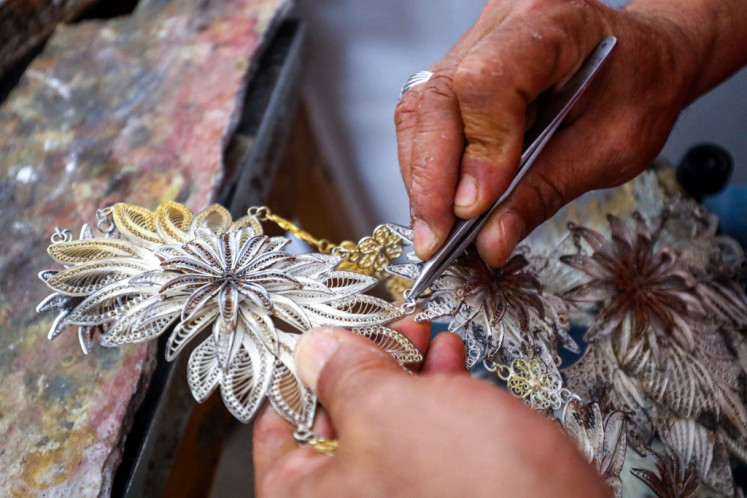
In a family‑run studio near the temples, Khmer silversmiths guide guests through the delicate art of filigree — a craft once reserved for royal adornments. Each piece tells a story of resilience, beauty, and cultural memory.
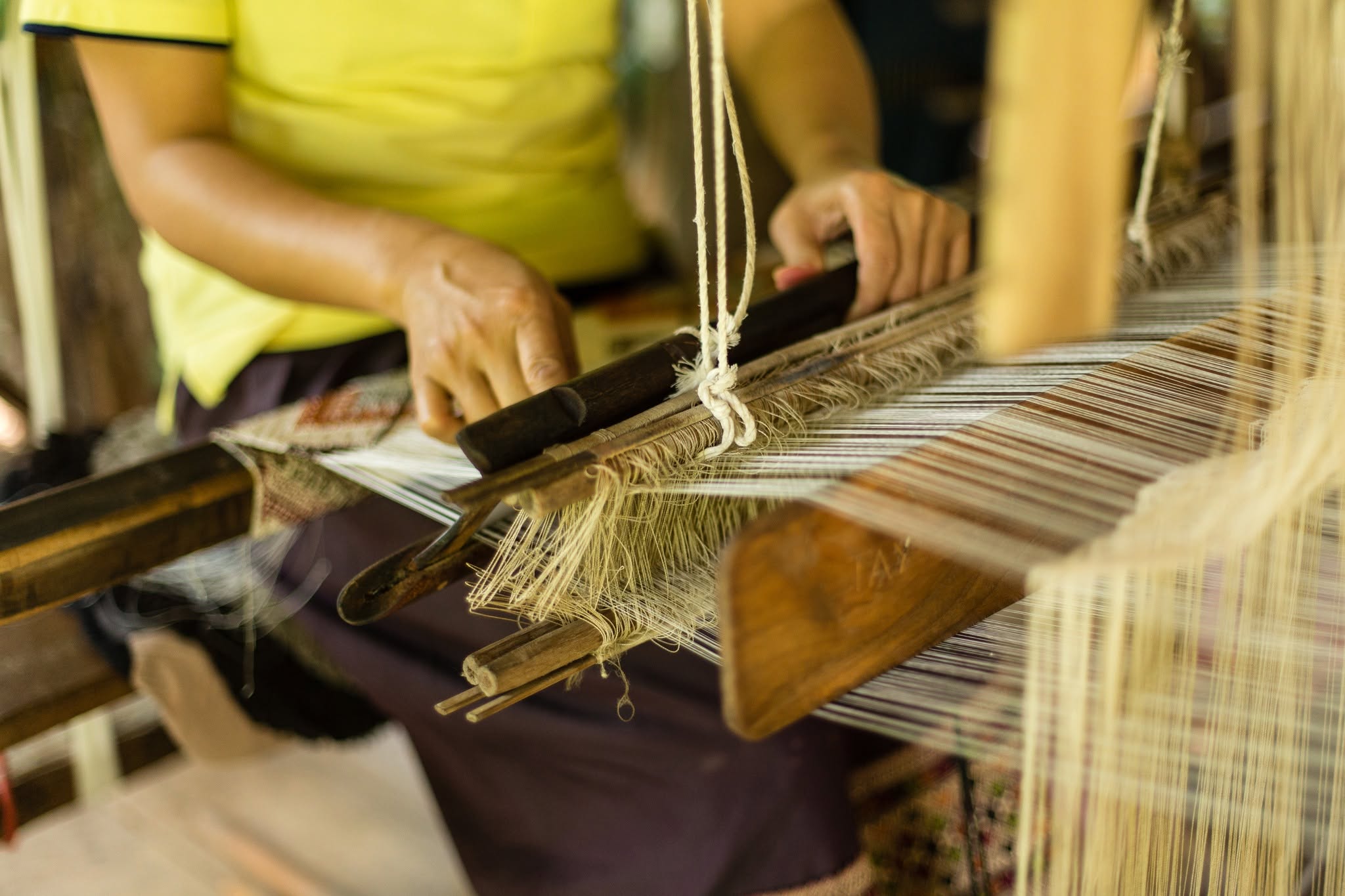
Along a quiet riverside lane, Lao weavers invite guests to sit beside their looms and learn the rhythms of traditional textile making. Natural dyes, ancestral motifs, and gentle conversation create a moment of connection across generations.
Experience Laos’ Weaving Traditions
These artisan encounters are arranged through long‑standing relationships with families and master craftsmen. Your Journey Curator will coordinate each visit with care, ensuring every moment honors the heritage and hands that keep these traditions alive.
The architectural heritage of Indochina reflects centuries of belief, artistry, and cultural exchange. From imperial citadels to riverside temples and ancient stone sanctuaries, each structure carries the imprint of the people who built, worshipped, and lived within them. Guests explore these spaces not as spectators but as quiet observers of history — walking through corridors, courtyards, and sacred halls where time still lingers.
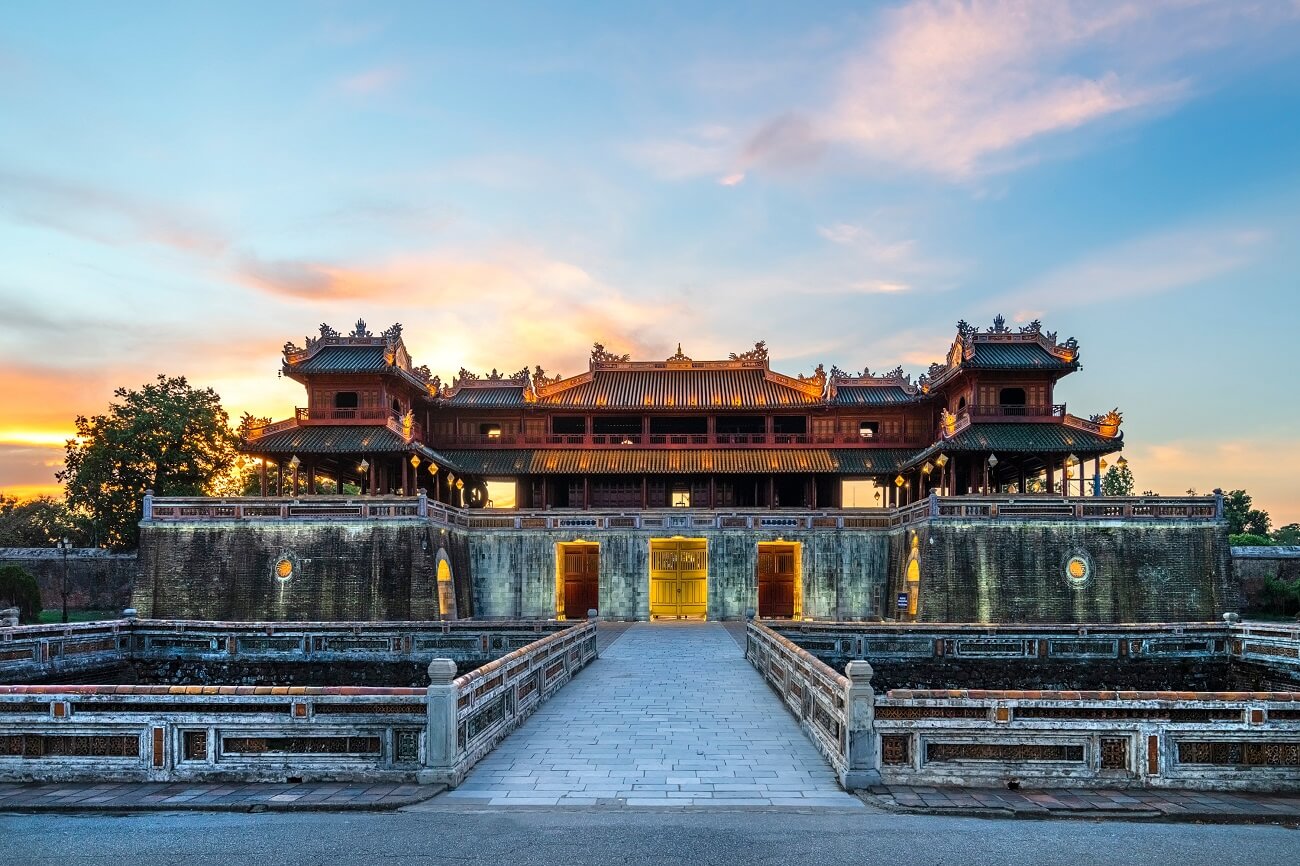
Once the seat of the Nguyễn Dynasty, Huế’s Imperial Citadel reveals a world of royal courts, ceremonial gates, and lacquered halls. Guests wander through lotus‑lined ponds and ancient pavilions, discovering the architectural language of Vietnam’s last emperors.
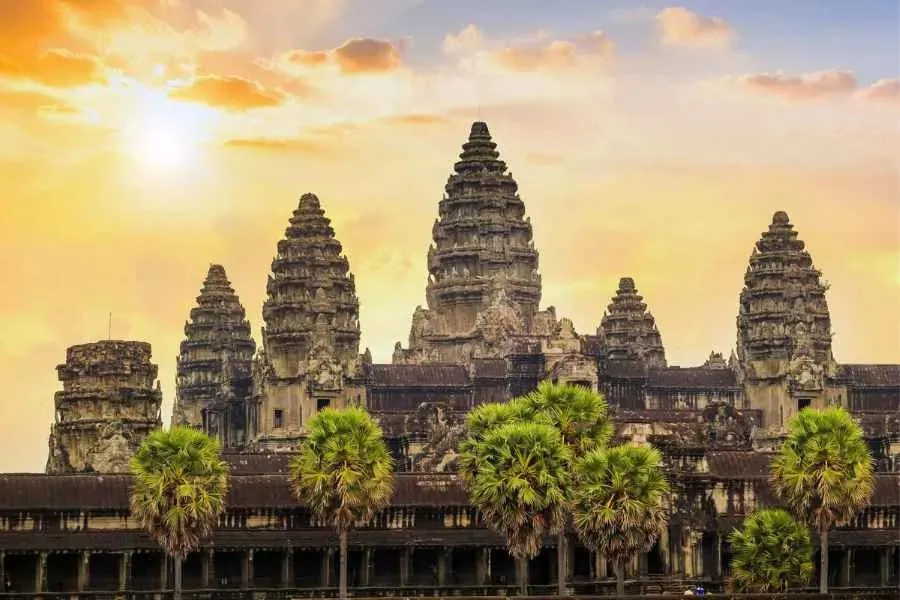
At sunrise, the temples of Angkor emerge from the forest like stone poems — vast, intricate, and timeless. Guests explore hidden corridors, bas‑reliefs, and towering spires that reflect the spiritual and artistic mastery of the Khmer Empire.
Experience the Temples of Angkor
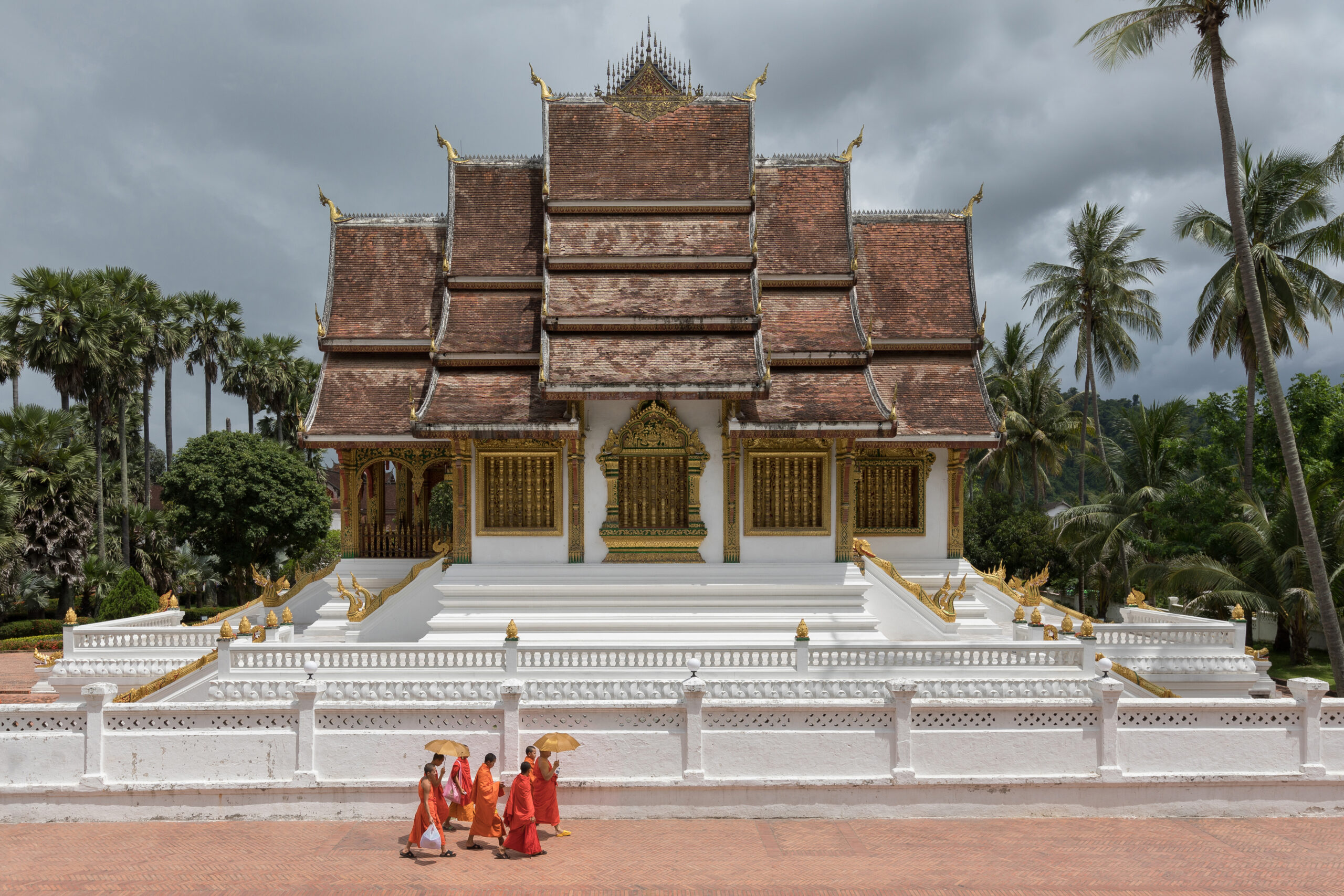
In the former royal capital, saffron‑robed monks move quietly between gilded temples and wooden monasteries. Guests discover the city’s unique blend of Lao, Buddhist, and French‑colonial architecture, preserved with remarkable grace.
These architectural encounters are curated with sensitivity and respect, offering guests a deeper understanding of the histories, beliefs, and legacies that continue to shape Indochina today.
Across Indochina, traditions are not preserved in books — they are lived in the streets, temples, and homes of the people. Seasonal festivals, spiritual rituals, and community ceremonies reveal the values, beliefs, and shared memories that shape daily life. Guests witness these moments not as spectators but as welcomed observers, experiencing culture in its most human and heartfelt form.
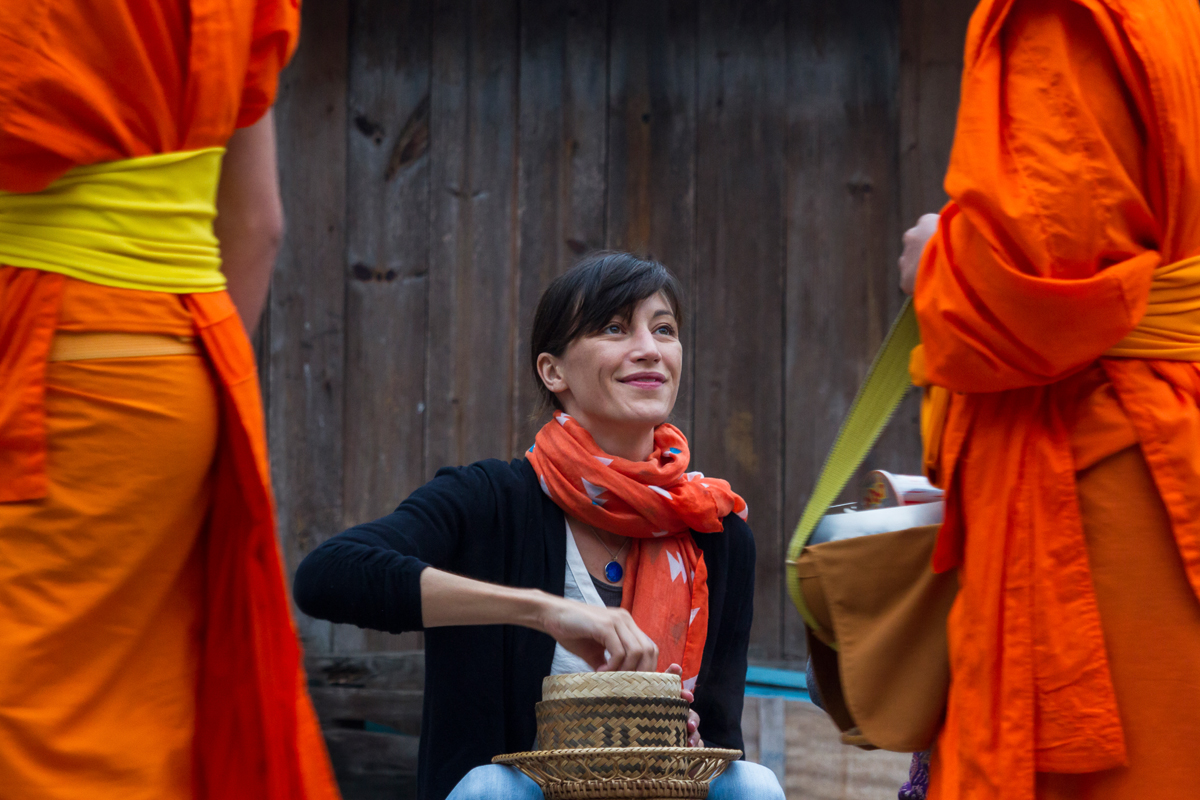
As the first light touches Luang Prabang, saffron‑robed monks walk silently through the streets to receive offerings from local families. This daily ritual reflects humility, devotion, and the deep bond between the monastic and lay communities.
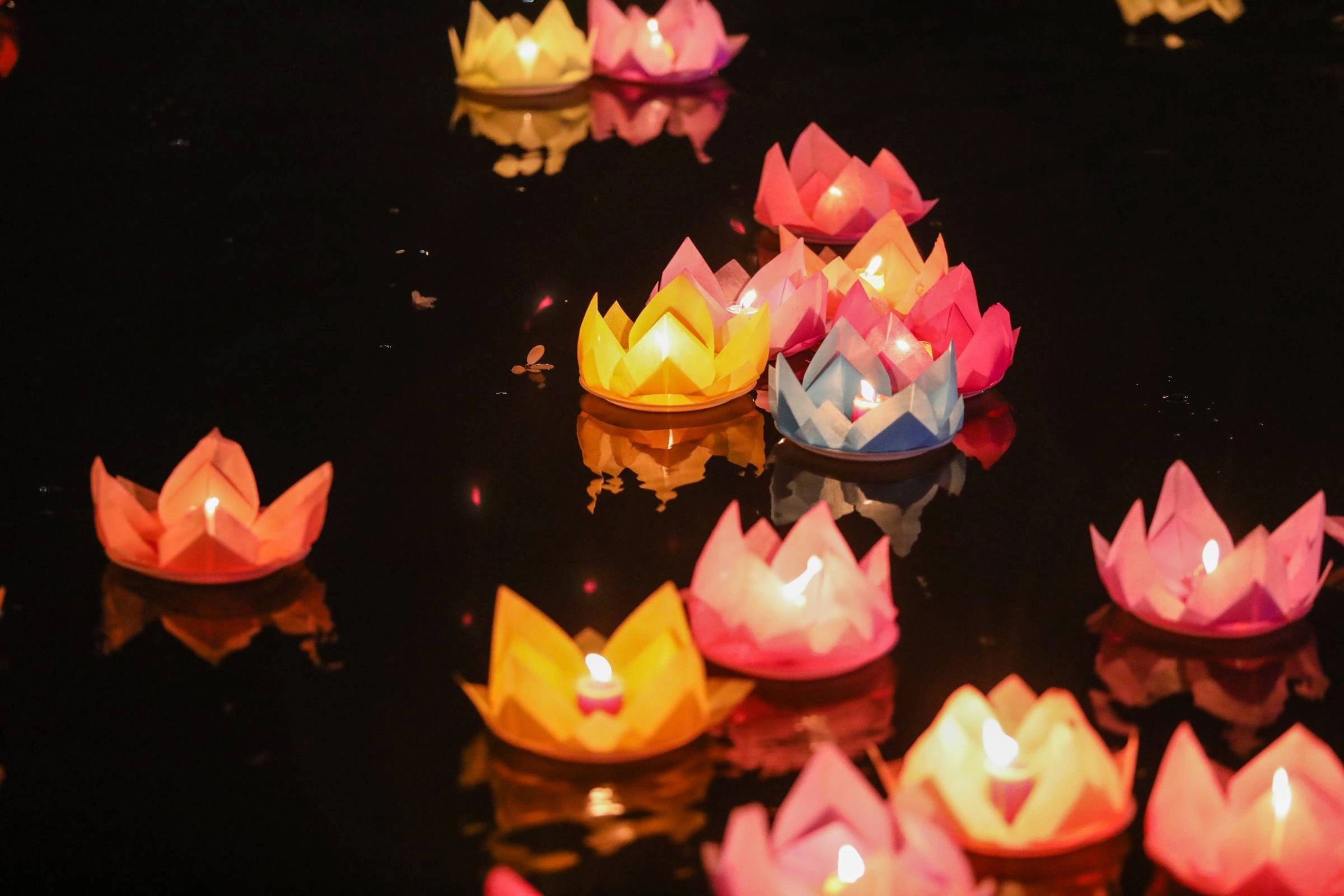
On the full moon, Hoi An’s ancient town glows with thousands of lanterns floating along the river. Families gather to honor ancestors, light candles, and make quiet wishes for the months ahead.
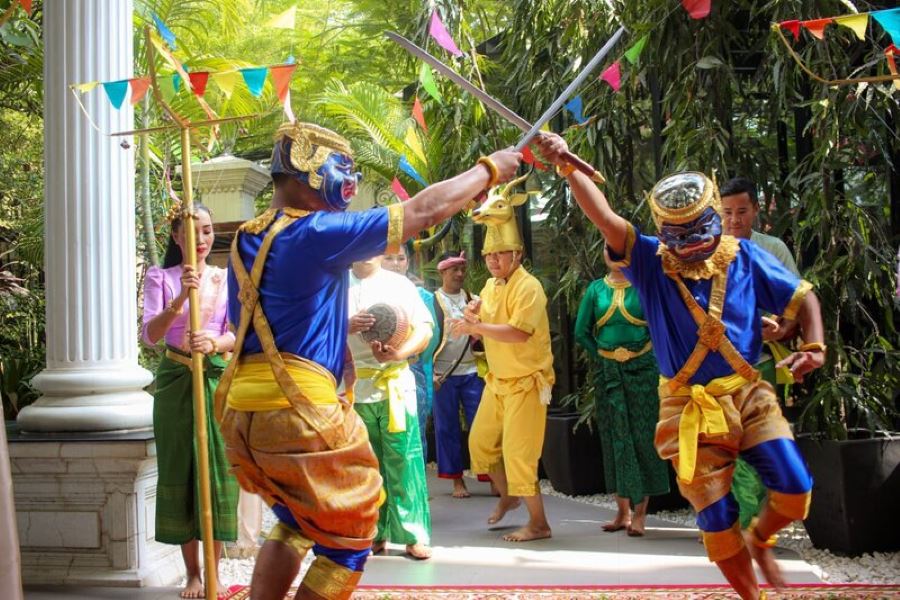
In villages and temple courtyards, Khmer New Year brings music, dance, and traditional games that unite communities. Guests witness joyful rituals that mark renewal, gratitude, and the welcoming of a prosperous year.
These living traditions offer guests a rare opportunity to connect with the spirit of Indochina — a culture expressed not only in monuments and crafts, but in the shared rituals that bring people together.
We craft journeys shaped by lineage, mastery, and the hands that keep traditions alive.
Speak with a Journey Curator to explore how your travels can be guided by authenticity, intention, and a deep respect for the artisans who carry these stories forward.
Thoughtfully crafted journeys across Indochina — shaped by culture, connection, and quiet elegance.